
Example Post
Alexander Clark
Guide
September 11, 2025
Restaurant Branding: How to Build a Memorable Dining Experience That Stands Out
Meta description (for SEO):
Discover how to build a strong restaurant brand identity that attracts customers, builds loyalty, and sets you apart from competitors. Step-by-step guide with examples.
Introduction
The restaurant industry is more competitive than ever. Whether you’re opening a new café, running a family-owned diner, or scaling a chain, one challenge remains constant: how do you stand out?
While great food and service are essential, they’re not enough on their own. Customers today choose restaurants not only for the menu but also for the story, look, and experience. This is where restaurant branding comes in.
In this guide, you’ll learn:
- What restaurant branding really means (beyond logos).
- Why strong branding is critical for growth and recognition.
- A practical, step-by-step process to create your own brand identity.
- Real-world examples of restaurants nailing their branding.
By the end, you’ll have a roadmap to transform your restaurant into a brand customers remember — and return to.
What Is Restaurant Branding?
At its core, restaurant branding is the identity of your business. It’s the way you present yourself visually, verbally, and emotionally across every touchpoint — from your menu and signage to your website and social media.
It goes beyond design. Branding communicates:
- Who you are (your mission and values).
- What you offer (your positioning in the market).
- How you make people feel (the emotional connection you create).
Think of branding as the soul of your restaurant. It answers questions like:
- Why should someone choose you over competitors?
- What makes your dining experience unique?
- How do customers feel when they walk through your door?
Why Restaurant Branding Matters
If branding feels abstract, let’s get practical. Strong restaurant branding delivers both tangible and emotional benefits:
1. Stand Out in a Crowded Market
The food service industry is saturated. Branding helps you carve a distinct identity and attract attention.
2. Build Customer Loyalty
Customers are more likely to return to restaurants they feel connected to. Branding creates familiarity and trust.
3. Drive Word-of-Mouth Marketing
A memorable brand encourages people to share photos, recommend your restaurant, and tag you online.
4. Increase Perceived Value
Good branding allows you to position yourself as premium — and charge accordingly.
5. Create Consistency Across Channels
From your in-house dining to your delivery packaging, branding ensures a seamless experience that reinforces your story.
In short: great food gets customers in the door, but strong branding keeps them coming back.
How to Build a Restaurant Brand: Step-by-Step
Here’s a proven process to develop a restaurant brand identity that resonates.
Step 1: Define Your Mission and Values
Every strong brand starts with a clear mission. Ask yourself:
- Why did I start this restaurant?
- What values drive the way I run it?
- What experience do I want customers to walk away with?
Examples:
- A farm-to-table restaurant might emphasize sustainability and local sourcing.
- A late-night street food spot might celebrate cultural diversity and accessibility.
👉 Write a one-sentence mission statement. Keep it simple, memorable, and authentic.
Step 2: Position Yourself in the Market
Brand positioning is about carving out your niche. Look at your competitors and ask:
- Who else serves the same type of food?
- What are they doing well — and where are the gaps?
- How can you offer something different?
For example:
- Competing with fast-food chains? Emphasize artisanal quality and atmosphere.
- In a fine-dining hub? Position yourself as casual, approachable, and experience-led.
The clearer your positioning, the easier it is for customers to understand why they should choose you.
Step 3: Build Your Brand Identity
A great framework is to think of your identity in three dimensions:
1. Look
- Logo and colour palette
- Menu and packaging design
- Restaurant interiors, signage, uniforms
- Photography style (social media, website)
2. Speak
- Brand voice and tone (casual, playful, sophisticated, elegant)
- Menu copywriting style (descriptive, witty, minimal)
- Website and social media messaging
3. Feel
- Atmosphere: music, lighting, décor
- The emotions you want diners to associate with you (comfort, excitement, indulgence)
- Service style (formal, relaxed, friendly)
👉 Consistency across these three creates a cohesive brand experience.
Step 4: Align Every Touchpoint
Customers interact with your brand across dozens of touchpoints. Make sure they all tell the same story.
Key areas to align:
- Menu design – Should reflect your values and be easy to read.
- Website & social media – Your digital front door. Must be mobile-friendly and visually consistent.
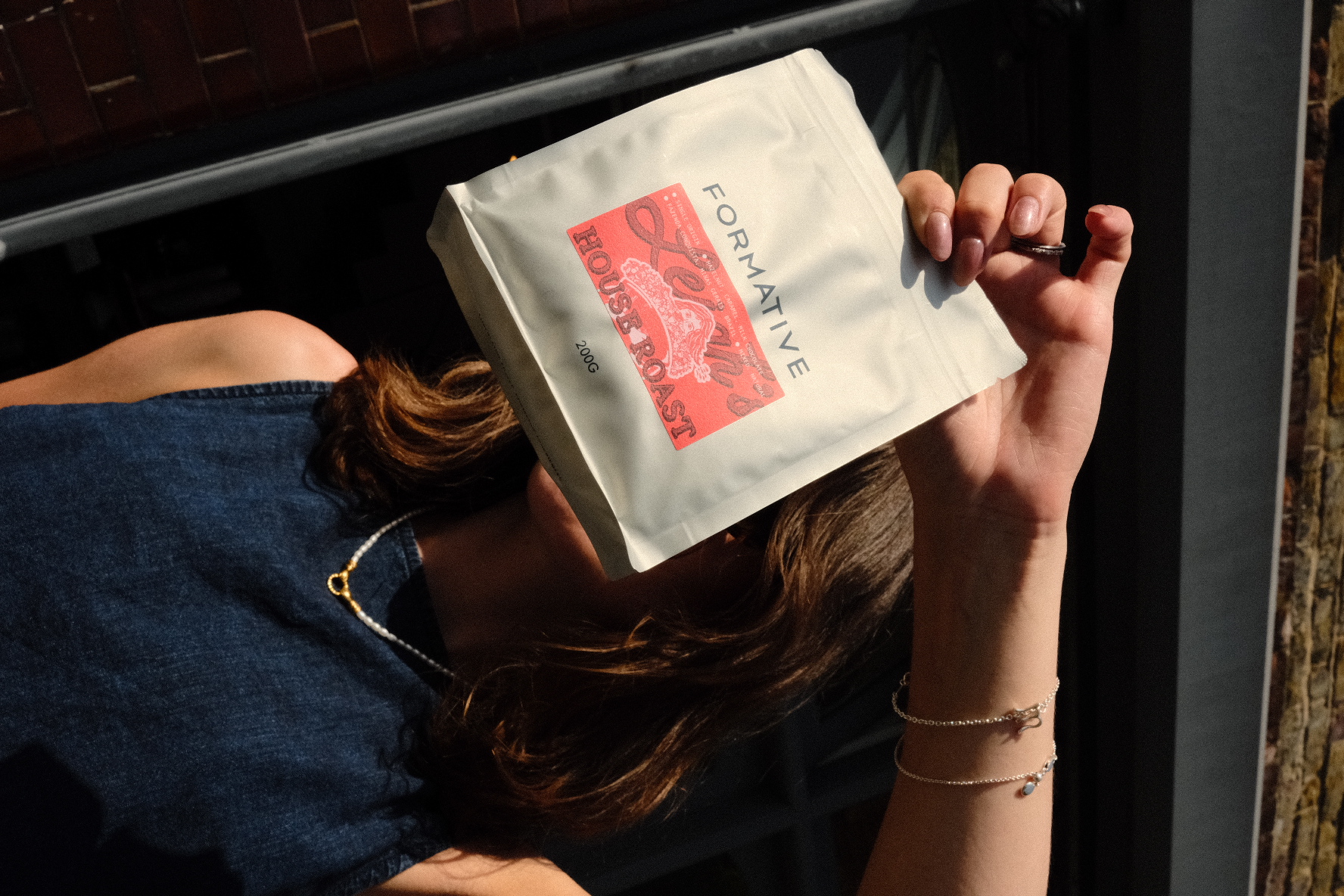
- Packaging – Delivery and takeaway are opportunities to reinforce your brand.
- Décor and signage – On-site experience should match your visual identity.
- Customer service – Staff uniforms, greetings, and behaviour all signal your brand.
Step 5: Tell Your Story Consistently
Your brand story should be woven across every channel:
- On your website → share your origin story and values.
- On social media → show behind-the-scenes, staff culture, and customer experiences.
- In your restaurant → reflect your values in design, menu, and service.
Consistency builds trust — and trust builds loyalty.
Core Branding Assets Every Restaurant Needs
When developing your brand, make sure you create and align these essentials:
- Logo and colour palette
- Menu design (physical and digital)
- Signage and wayfinding
- Website and social presence
- Packaging (takeaway, delivery, merchandise)
- Interior design (lighting, seating, décor)
- Uniforms and staff presentation
Each of these should feel like part of the same story.
Examples of Restaurant Branding Done Right
Sweetgreen
A fast-casual chain with minimalist design, a clear mission around sustainability, and a tech-driven ordering experience. Their branding highlights health, modernity, and simplicity.
Dishoom
London-based Indian restaurant inspired by old Bombay cafés. Every detail — from menu copywriting to décor — tells a cultural story. The result is an immersive dining experience.
Shake Shack
Bright, playful branding across packaging, signage, and digital platforms. Their consistent tone of voice (fun, approachable) mirrors their food offering.
👉 Take inspiration, but don’t copy. Authenticity is what will make your brand resonate.
Common Branding Mistakes to Avoid
- Inconsistency – A logo that doesn’t match your interiors or social media style.
- Overcomplication – Too many colours, fonts, or mixed messages.
- Ignoring digital presence – Customers often find you online first.
- Copying competitors – Inspiration is fine, but direct imitation erodes trust.
Conclusion: Start Building Your Restaurant Brand Today
Restaurant branding is more than aesthetics — it’s about shaping how people feel when they interact with your business. By defining your mission, positioning yourself clearly, and aligning every detail from your logo to your service style, you create a dining experience that customers won’t forget.
👉 Next steps:
- Write down your mission in one sentence.
- Audit your current touchpoints (menu, website, interiors).
- Ask: Does each element reflect the story I want to tell?
- Adjust for consistency and clarity.
Your brand is your greatest asset. Invest in it, and your restaurant will not just attract customers — it will keep them coming back.